

In Brief:
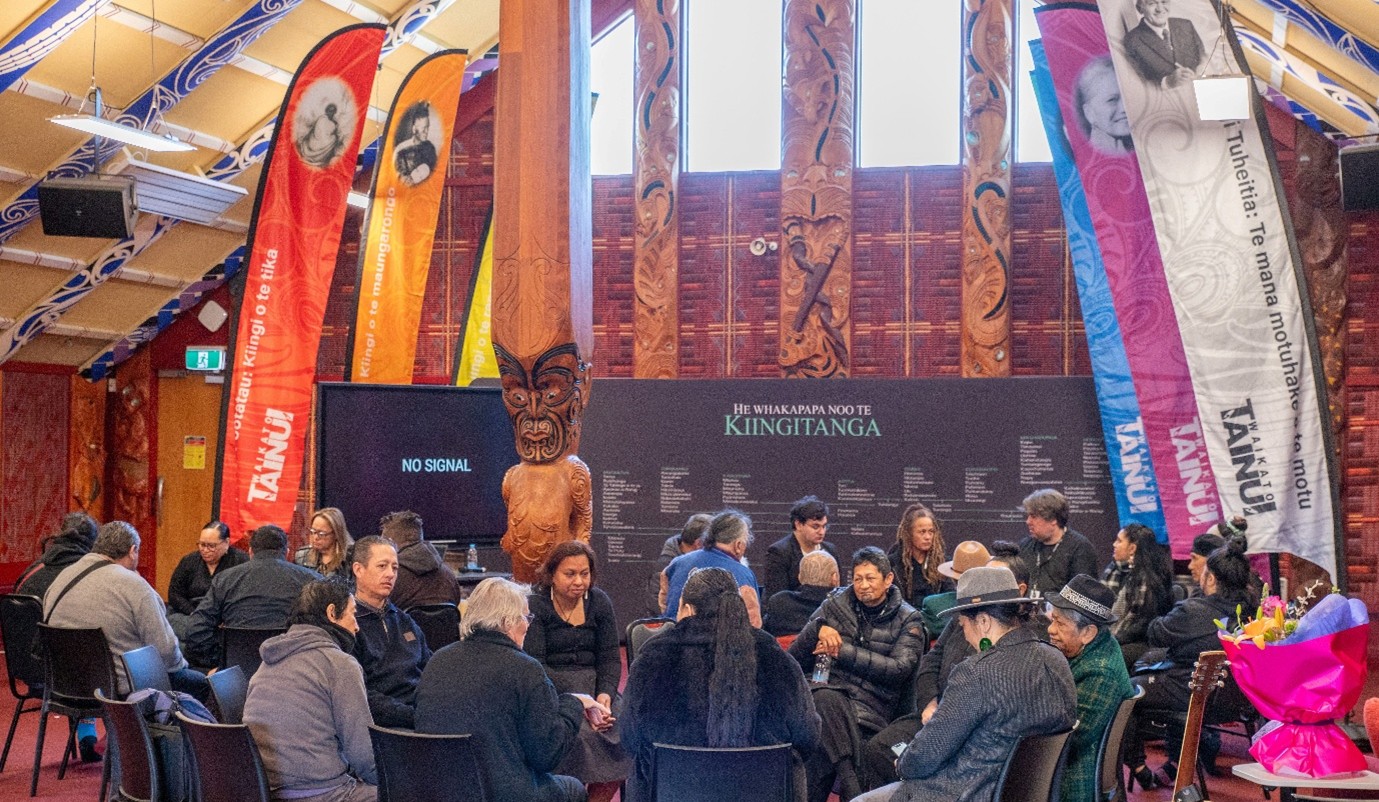
- More than a hundred people attended the Kiingitanga Celebrations at Ngaa Kete Waananga Marae, bringing together staff, students, whaanau, Waikato-Tainui representatives and community leaders for a day of cultural learning and whakawhaanaungatanga – ‘connection.’
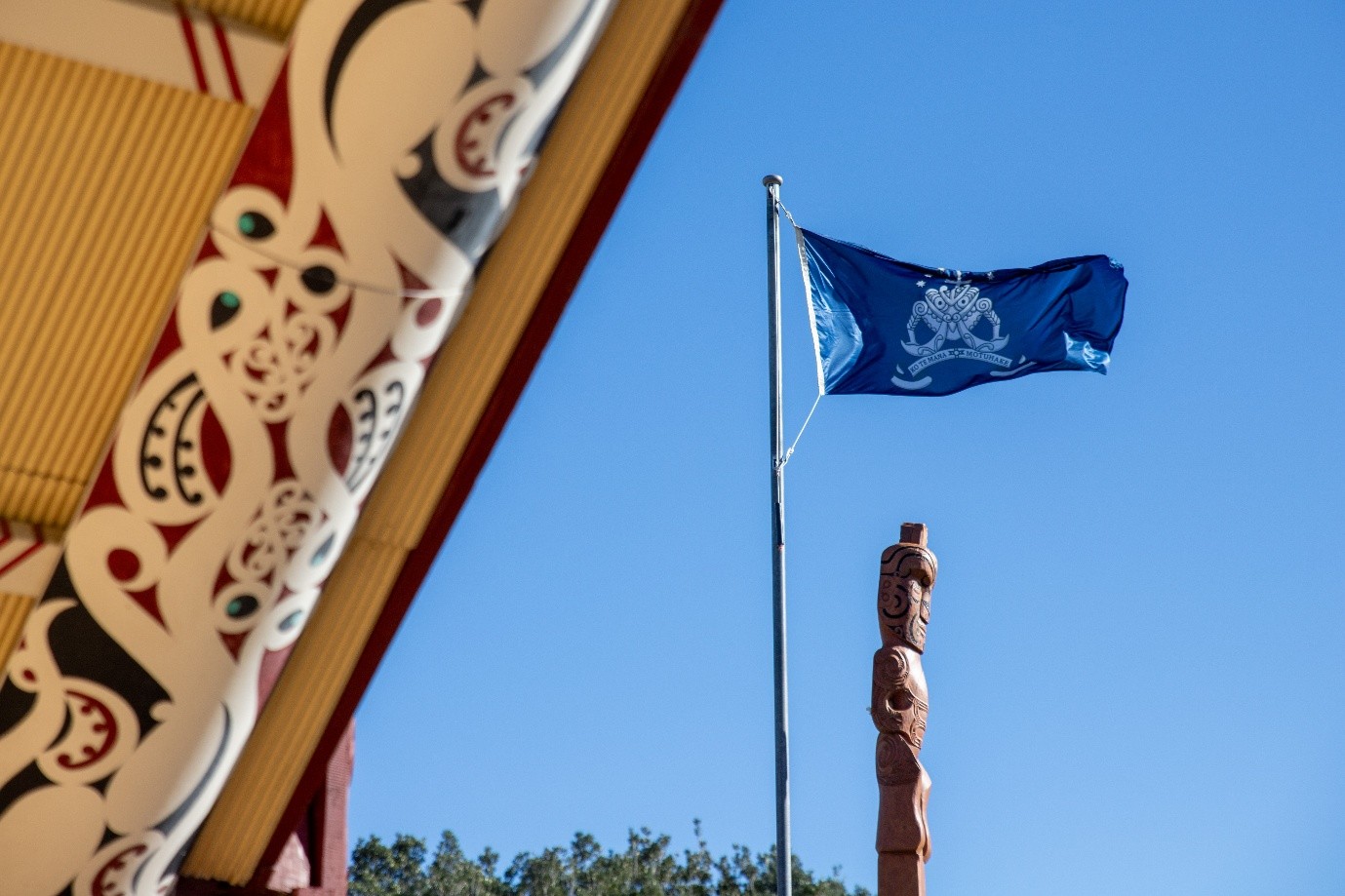
- Guest speakers with longstanding connections to the Maaori King Movement shared its history, values and traditions, while the day included poowhiri, learning sessions and a flag-raising ceremony.
More than a hundred people gathered at Ngaa Kete Waananga Marae at the Ootara campus last week for a day of learning, koorero ‘discussion’ and whakawhaanaungatanga ‘building relationships and connections’ as part of the 2026 Kiingitanga celebrations.
MIT and Unitec kaimahi ‘staff’, aakonga ‘students’, whaanau ‘family’, community members and external partners took part in the celebrations, which included poowhiri ‘welcome ceremonies’, learning sessions, guest speakers and the raising of the Kiingitanga flag.
Dr Wiremu Manaia, Director of Maaori Education says hosting the celebration at Ngaa Kete Wānanga Marae provided an opportunity for people to experience and learn about the traditions and values of the Kiingitanga ‘Maaori King Movement’.
“As a kaupapa ‘purpose’ grounded in whakapapa ‘genealogy’, leadership, unity, and cultural identity, the marae provides an authentic environment where the values and traditions of Kiingitanga can be experienced and understood in a meaningful way.
“Ngaa Kete Waananga Marae offers a culturally appropriate space where staff, aakonga, community members, and external partners can gather, learn, and participate in tiikanga Maaori (Maaori protocols).”
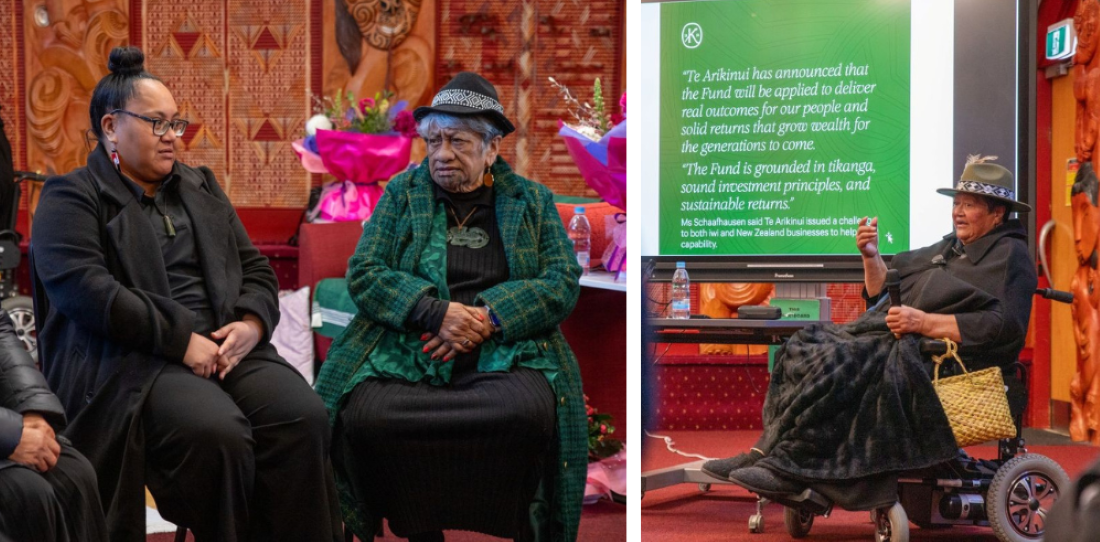
Respected elders of Tainui Parehiwa Totorewa (L) and historian and caretaker of Tuurangawaewae Marae Mamae Takerei (R)
The programme began at dawn with the raising of the Kiingitanga flag, followed by a morning poowhiri and two dedicated learning sessions. An afternoon ceremonial welcome ushered in additional guests before the day concluded with the lowering of the Kiingitanga flag.
A highlight was hearing from guests with longstanding connections to the Kiingitanga movement, including historian and Tuurangawaewae Marae caretaker Mamae Takerei along with respected Tainui elders Parehiwa Totorewa and Puao Eva Takinui, who was raised within the Kiingitanga movement.
“Through their stories and reflections, attendees gained unique insights into the history, values, leadership, and enduring significance of the Kiingitanga movement,” Dr Manaia says.
The celebration was also supported by Owairaka whaanau, including Papa Hare, Director of Maaori Success – Tahurangi Vivienne Merito and the Maaia team, who assisted with the flag-raising ceremony and contributed to the day.
Dr Manaia says the event strengthened relationships between MIT and Unitec, Waikato-Tainui, community leaders and organisations from across Auckland.
Ootara community leader Mike Theodore says the event provided an opportunity to learn more about tiikanga Maaori within his own community.
“This was a unique opportunity to attend an event within our own Ootara community and learn more about tangata whenua tiikanga ‘customs of the people of the land’ and how everything is interconnected.
“It was especially meaningful to learn more about our Te Arikinui Kuini Ngaa wai hono i te po Pootatau Te Wherowhero VIII and the future of the Kiingitanga movement.”
Dr Manaia says many attendees valued the opportunity to hear directly from people who have served and supported successive Maaori monarchs and experience aspects of the movement that are not commonly accessible outside Tainui communities.
“The overwhelmingly positive feedback highlighted the importance of creating opportunities for communities to come together, learn from one another, and deepen their appreciation of the enduring values of kotahitanga, manaakitanga, and rangatiratanga that continue to guide the Kiingitanga today.”
The Kiingitanga movement was established in 1858 to unite iwi under a single Maaori leadership structure while protecting whenua, language, culture and the wellbeing of Maaori communities.
Today, the movement continues to be a symbol of unity, service and collective leadership.