


In Brief:
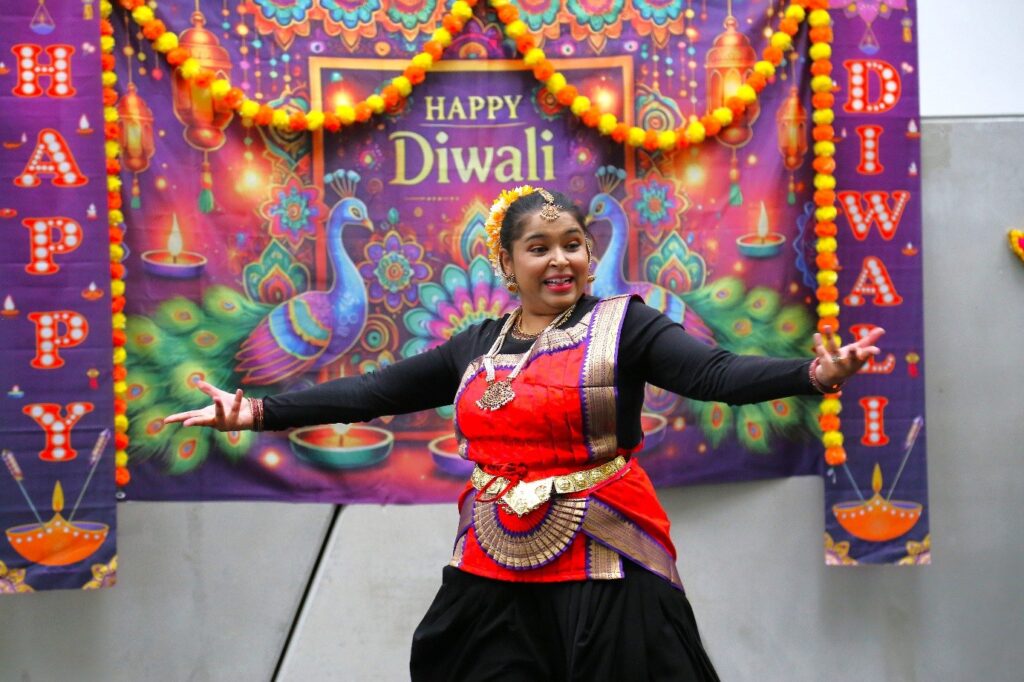
- Diwali was celebrated with the Indian community, ākonga ‘students’ and kaimahi ‘staff’ through events at Ōtara, Mt Albert and Waitākere campuses.
- An engagement evening at Ōtara brought leaders from the community and MIT and Unitec together to discuss community needs, education pathways and opportunities for collaboration.
- Student-led celebrations at Mt Albert and Waitākere featured cultural performances and traditional activities.
The community engagement event was organised by the Industry Engagement team and led by MIT and Unitec Council member and former Honorary Consul of India in Auckland Bhav Dhillon.
Held at School of Hospitality’s Dine Restaurant, the evening offered an opportunity to celebrate Diwali while listening to the aspirations and needs of Auckland’s diverse Indian communities.
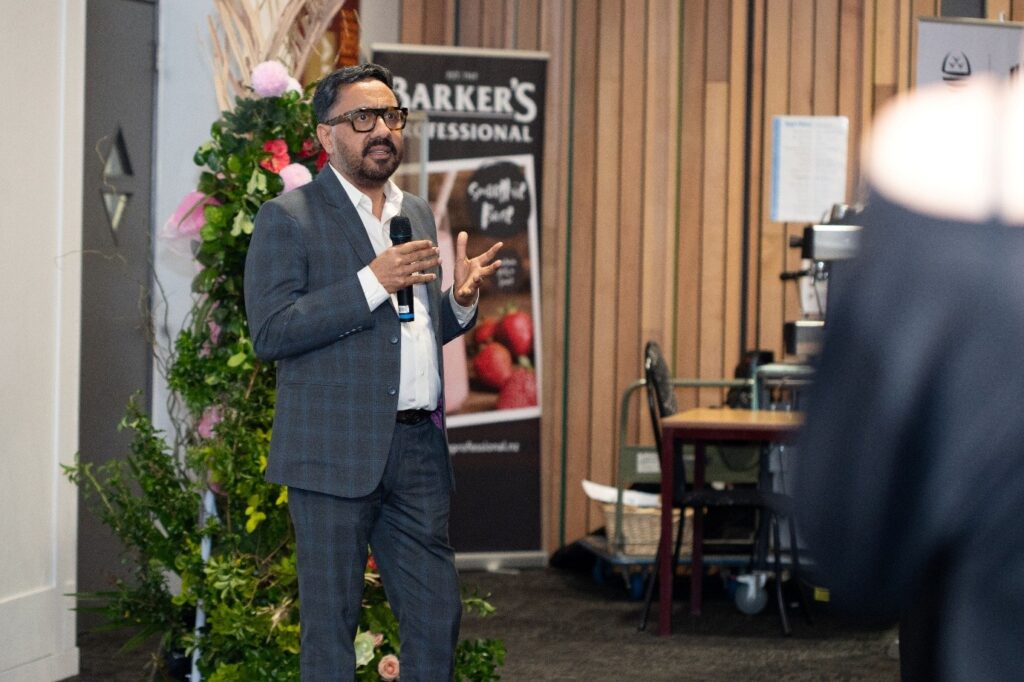
Welcoming guests, Mr Dhillon acknowledged the significance of Diwali and the diversity of communities represented in the room.
“The purpose of this event was to wish you Happy Diwali but also take this occasion to develop our relationship with the community.”
Mr Dhillon says the Indian community is now the third largest ethnic group in the country, placing a high value on education, particularly in creating opportunities for future generations.
“Education is one of the biggest inventions in the history of the modern world. As migrants, especially in our Indian community, we come to another land, not just for ourselves but for our upcoming generation, our children’s future.”
Educational pathways empowering not only ākonga but also their families, communities and regions.
As MIT and Unitec moves further towards becoming a truly unified provider, Bhav invited community leaders to share their perspectives on how the organisation could better respond to the needs of the communities it serves.
The conversations provided insights into community aspirations and suggestions on how the combined organisation could strengthen its connections with businesses, community networks and industry to create meaningful education and employment pathways.
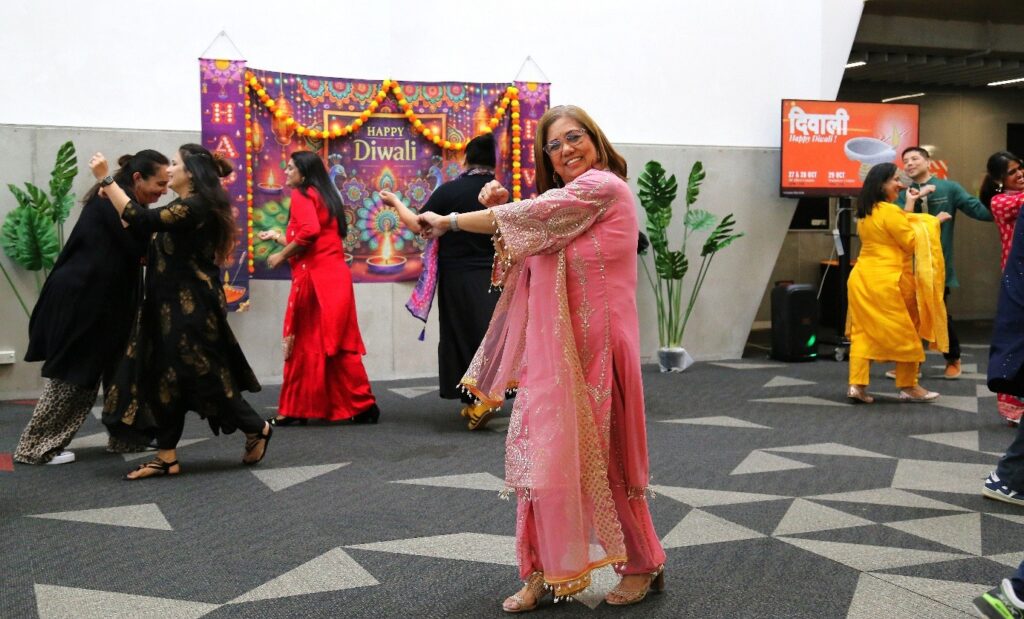
Ākonga and kaimahi celebrate Diwali on campus
The Diwali celebrations extended across our campuses, with ākonga-led activities bringing learners and staff together to experience the traditions and festivities associated with the Festival of Lights.
At Mt Albert campus, celebrations took place over two days, with a range of cultural activities and performances.
The first day featured diya (traditional oil lamp) decoration, mehendi (henna art) and rangoli (decorative patterns traditionally created using coloured powders and other materials), giving participants an opportunity to engage with some of the traditions associated with Diwali.
The following day featured cultural performances at Te Puna.
While at Waitākere Campus, the festivities continued with diya painting and snacks.
The student-led activities created opportunities for cultural exchange, bringing people from different backgrounds together to participate in the celebrations and learn more about Diwali.
About Diwali
- Diwali, also known as Deepavali or the Festival of Lights, is one of India’s most widely celebrated festivals, symbolising the triumph of light over darkness, good over evil and knowledge over ignorance.
- Celebrated by Hindu, Sikh, Jain and some Buddhist communities, Diwali holds different religious and cultural significance across traditions.
- Celebrations typically include lighting diyas, decorating homes with rangoli, sharing sweets, gathering with family and friends, and exchanging gifts.