


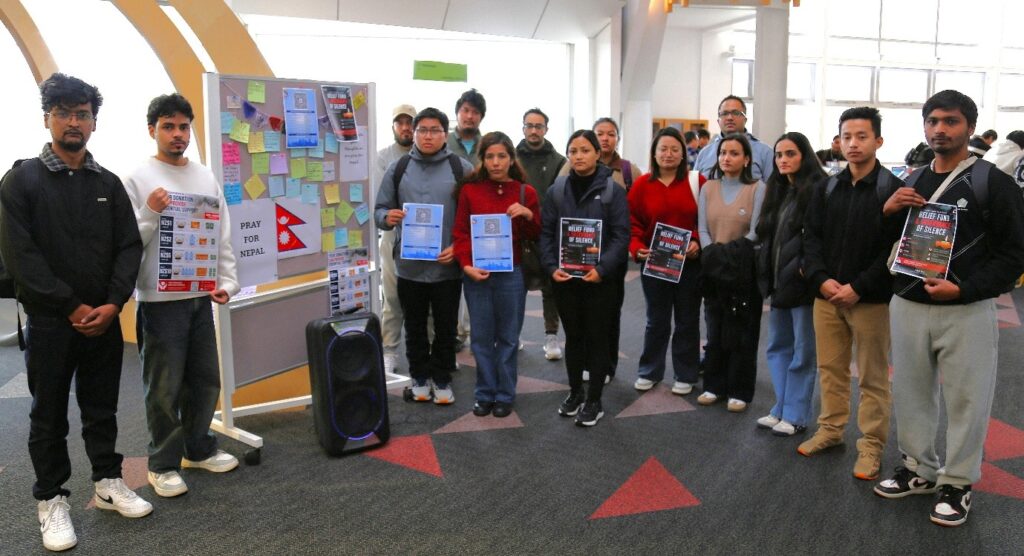
Everest Nepalese Student Club, kaimahi and ākonga from across the organisation supporting Nepal Disaster Relief Fund efforts on Tuesday, 1 September in Mt AlbertIn Brief:
- The Everest Nepalese Student Club brought together close to sixty staff and students at Mt Albert Campus to support flood relief.
- MIT and Unitec International Support teams have reached out to 137 international ākonga from Nepal at Mt Albert and Waitākere campuses, as well as fourteen based at Manukau, Ōtara and Tech Park, to offer their support.
The Nepalese community connected through our organisation is turning grief and solidarity into action, calling on staff and students across MIT and Unitec to support communities devastated by catastrophic flooding in Nepal.
The Everest Nepalese Student Club hosted a gathering of close to sixty kaimahi ‘staff’ and ākonga ‘learners’ in the atrium at the student hub on Mt Albert Campus, Tuesday 1 September, to raise awareness and support of the Nepal Prime Minister’s Disaster Relief Fund.
They observed a minute of silence in remembrance of more than 1,200 people who have died, with close to 5,000 still missing following the disaster.
Our team has offered support to 137 international ākonga from Nepal currently studying at Mt Albert and Waitākere Campuses as well as fourteen enrolled at Manukau, Ōtara and Tech Park says Frances Mataia in the International Student Support Office.
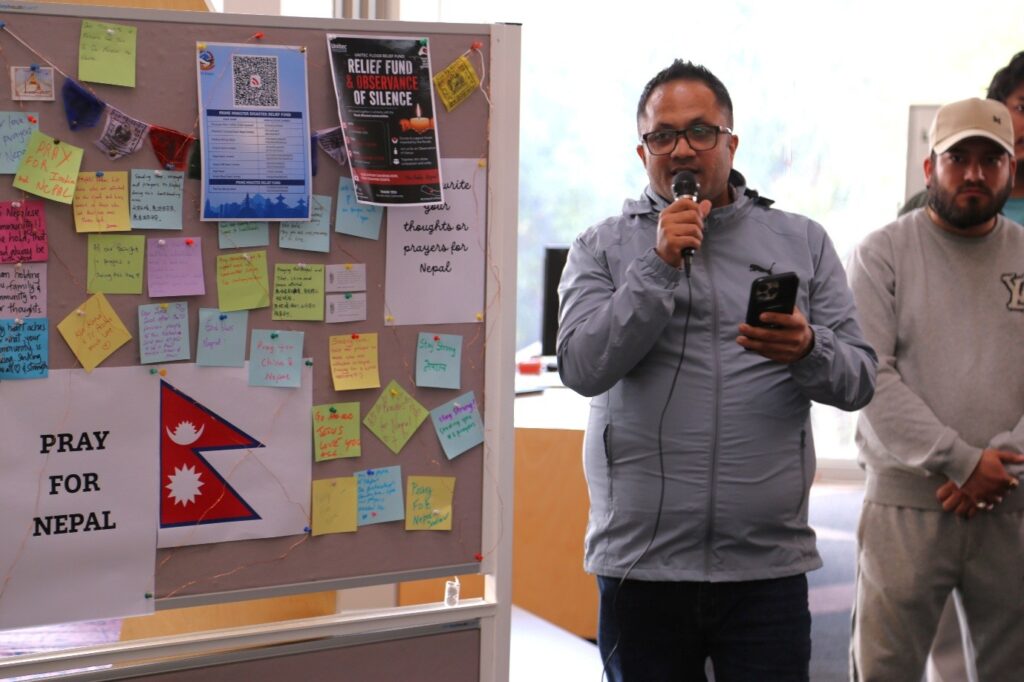
Everest Nepalese Student Club president Nilam Adhikari
For Everest Nepalese Student Club president Nilam Adhikari, the disaster is deeply personal.
A second-year Bachelor of Construction student from Lumbini, Nilam helped establish the club this year.
“We started the Everest Nepalese Student Club to promote our culture on our campuses, to let people know what Nepal is like, and help our Nepalese students adjust to student life in New Zealand,” he says.
The club has already attracted around 100 students to its wider network, with an active membership of sixty.
But the disaster has brought a much more personal dimension to the group’s efforts.
“We never imagined a disaster like this. There are about twenty people who I know personally directly affected,” Mr Adhikari says.
“I know some of the engineers who were working in hydropower plants in that region. They’re among the missing so this is very personal to me.”
The 2026 floods have caused widespread devastation across northern and central Nepal, with communities particularly affected along the Nepal-Tibet border and major river valleys. Rasuwa District was among the hardest-hit areas following a catastrophic rock and ice avalanche near Langtang Lirung, triggering flash flooding and sending debris downstream.
Communities along the Trishuli River, including in Nuwakot District, have suffered extensive destruction, while floodwaters and debris have also affected areas across Dhading, Gorkha, Tanahun and Chitwan.
For students who have only recently arrived in this country, the disaster has been a confronting introduction to life far from home.
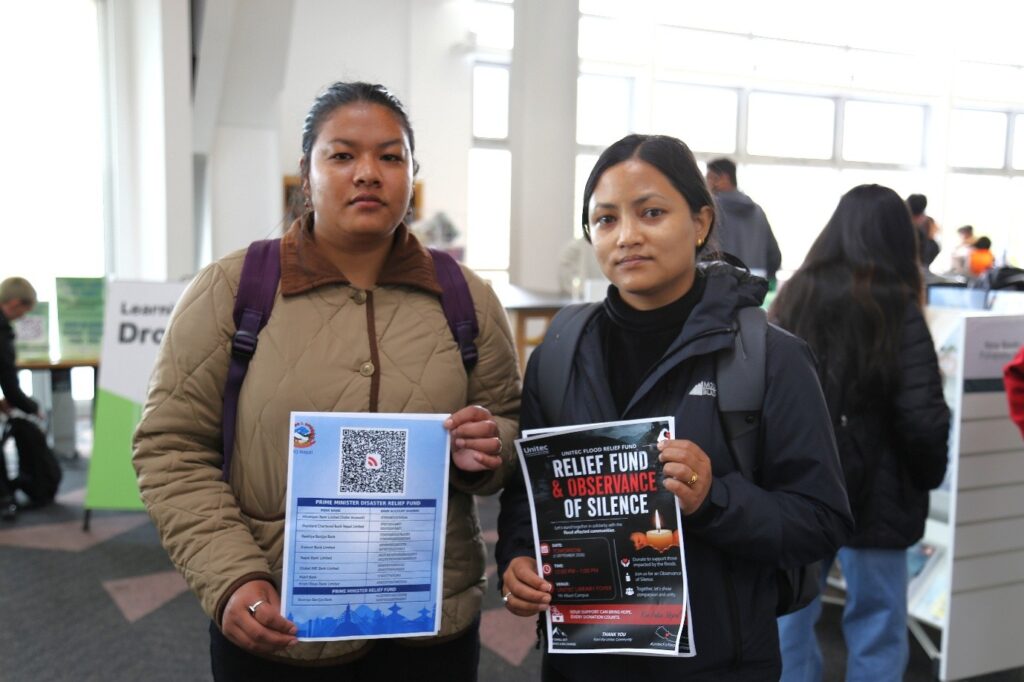
Master of Professional Accounting students Aditya Vissam and Rina Shrestha from Nepal
Master of Professional Accounting student Rina Shrestha, who arrived in New Zealand in July, says she was devastated when she first saw the news.
“When I saw the news on social media it was so devastating. I scrolled all night and it was so stressful to see.
“They are my people, so of course this impacts me deeply.”
Fellow accounting postgraduate student Aditya Vissam, who only arrived in New Zealand a month ago from Lalitpur, says the situation is a reminder of the importance of unity and acting collectively.
“I would like to request everyone to show humanity as one family by helping us to help our country.”
Even small contributions can make a significant difference to people who have lost access to basic necessities, she says.
Everest Nepalese Student Club is encouraging the wider MIT and Unitec whānau to show their support.
“I’d like to request all staff and students to join hand in hand in this very critical and very sorrowful situation in Nepal.”
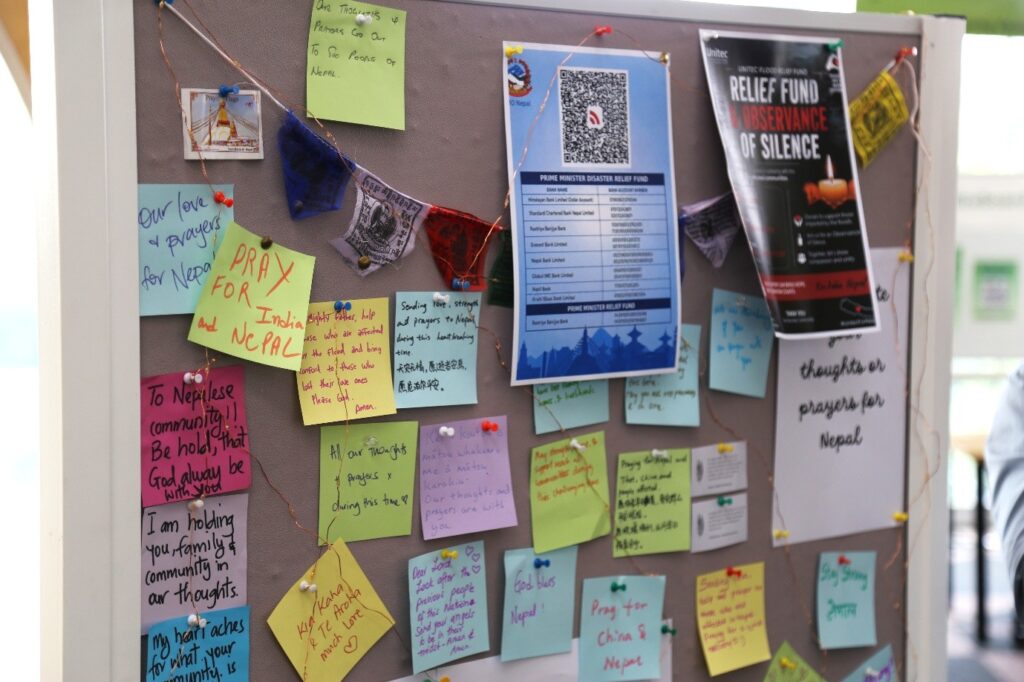
The club has shared details for the Nepal Prime Minister’s Disaster Relief Fund, enabling anyone to contribute to the relief effort.
For our Nepalese students, the initiative is about more than fundraising. It is about community, connection and ensuring that thousands of kilometres away from home, they know they are not standing alone.
“We love our country. We love the people who are living in our country. So we are doing this for them,” says Rina.
For more information, contact Everest Nepalese Student Club president Nilam Adhikari at adhikarinilam85@gmail.com