


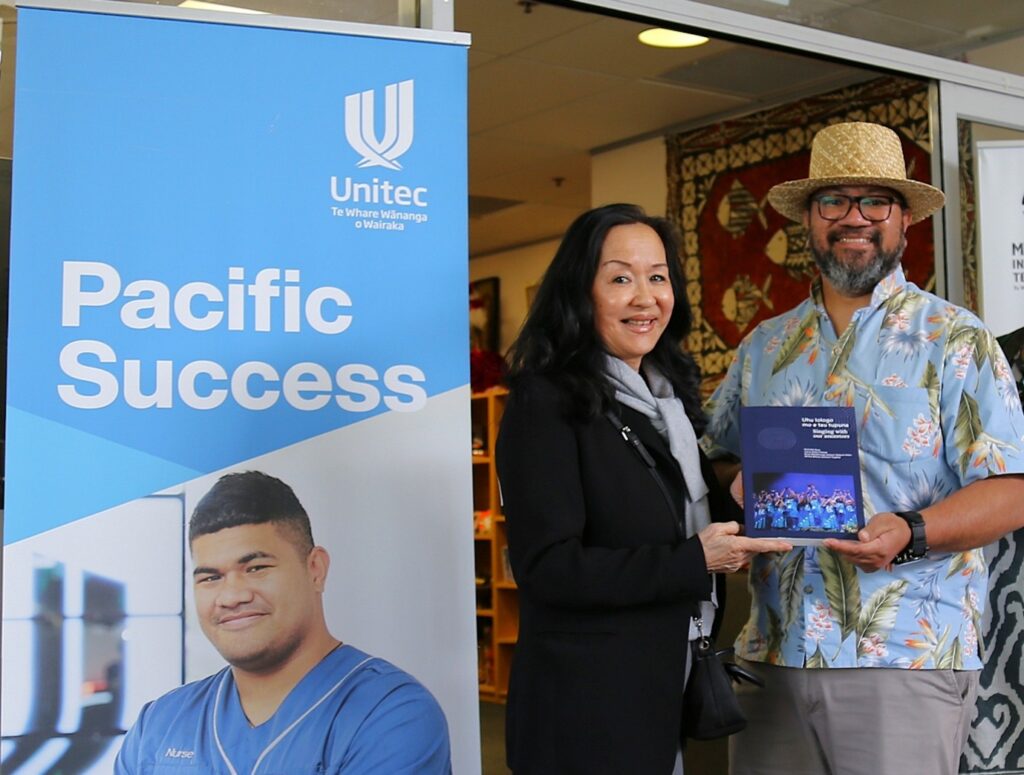
 Senior Lecturer Ioane Aleke Fa’avae presents his book Uhu lologo mo e tau tupuna: Singing with our ancestors to Chief Executive Professor Christina Hong
In brief:
- MIT and Unitec marked Niue Language Week with a Niue Quiz and Bingo event at our Mt Albert Campus on 22 October.
- Niuean kaimahi Jack Manetoa and Ioane Aleke Fa’avae highlight the shared responsibility of families, communities and education providers to revitalise Vagahau Niue.
- Ioane’s recently launched book, Uhu lologo mo e tau tupuna: Singing with our ancestors, captures hundreds of traditional Niuean chants after 15 years of work.
Faahi Tapu he Vagahau Niue – Niue Language Week is being celebrated across our campuses with kaimahi ‘staff’ encouraging other kaimahi, ākonga ‘learners’, and communities to work together to keep the language alive for future generations.
Running this week until Saturday 24 October, this year’s theme, Gahua auloa ke fakaako fakamalolō e Vagahau Niue – Working together to diligently teach and strengthen Vagahau Niue – highlights the collective responsibility to protect and revitalise one of the Pacific’s endangered languages.
With 214 Niuean ākonga studying across our campuses, the week provides an opportunity to celebrate Niuean identity, strengthen cultural connections and encourage greater awareness and use of Vagahau Niue across the organisation.
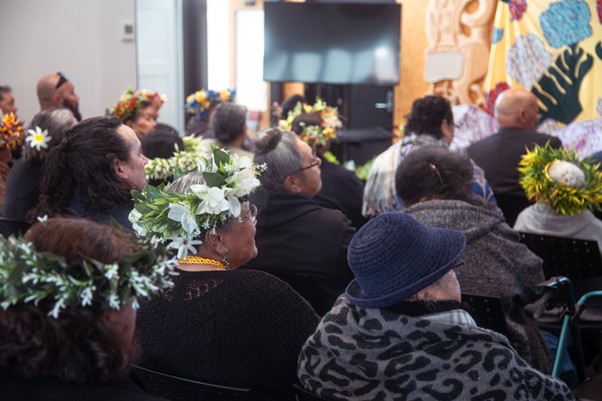
A key celebration will be a Niue Quiz and Bingo event organised by Niuean kaimahi collective on Thursday 22 October at the Koru Pod, Te Puna B180, Mt Albert Campus.
The event reflects the importance of creating spaces where language and culture can be shared, experienced and celebrated by the wider MIT and Unitec whānau.
The need for these efforts is significant.
While close to 35,000 people of Niuean ethnicity live in New Zealand (around eighty per cent born here), fewer than five per cent of locally-born Niueans can speak Vagahau Niue fluently (Stats NZ, 2023), highlighting the challenges of maintaining the language across generations.
Senior Lecturer Ioane Aleke Fa’avae says families, communities, educational institutions and other stakeholders all have a role to play in language maintenance and revitalisation.
“Learning a language is an ongoing process, especially if you have not been exposed to it,” he says.
Initiatives such as the Hologa Niue Festival, language classes, cultural workshops and village programmes are important ways the community is supporting younger generations to reconnect with their heritage.
Ioane also believes tertiary education providers have a role in supporting the future of Vagahau Niue by creating opportunities for learners to access and use the language.
The challenge is particularly significant for Niueans born in the diaspora, where English and other dominant languages can gradually displace Pacific languages in everyday life.
Ioane recently co-authored Uhu lologo mo e tau tupuna: Singing with our ancestors, a book capturing hundreds of Niuean ui chants (pictured right). The work took fifteen years to compile and documents the context of the compositions alongside perspectives on Niuean arts, particularly performance arts.
Launched on 19 September at Puukenga before more than 100 guests, the book provides access to ancestral knowledge through songs and chants. A copy was gifted to MIT and Unitec Chief Executive Professor Christina Hong.
Trades Academy Lecturer Jack Manetoa says keeping Vagahau Niue alive begins with the connections people maintain in their everyday lives.
“Vagahau Niue is at the heart of who I am. It is the language that connects me to my magafaoa (family), my culture, and my ancestors,” Jack says.
“It keeps me grounded in my values, teaches humility, and continually reminds me of where I come from and the place, I hold in this world.”
Mr Manetoa speaks Vagahau Niue with family members, particularly elders, and shares greetings, stories and cultural knowledge with colleagues and students at work.
Encouragng families to speak the language at home and communities to provide opportunities through cultural events, church activities and language programmes.
Education providers can also help by celebrating Niuean culture and creating welcoming environments where learners feel confident using the language.
“Keeping our language alive does not belong to one person or one generation alone. It is a collective effort that requires our families, communities, churches, schools, and young people to work together,” Jack says.
Student engagement coordinator Allenzo Tamatoa agrees:
“Families, communities and education providers like MIT and Unitec all have a role in raising awareness and encouraging younger generations to learn and speak it,” Allenzo says.
The celebration also recognises the importance of preserving traditional knowledge and passing it on to future generations.
Meet our Niuean kaimahi: In their own words
Jack Manetoa — Trades Academy Lecturer
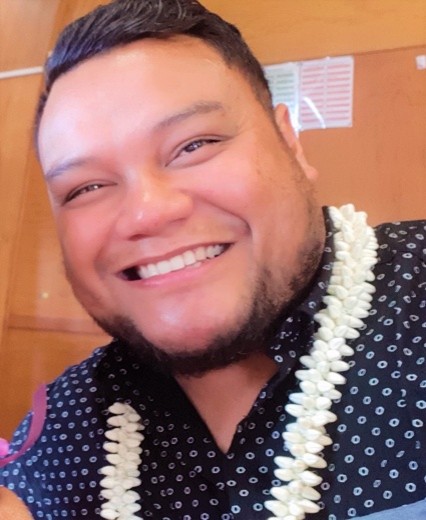 “Vagahau Niue is at the heart of who I am. It connects me to my family, culture and ancestors, and keeps me grounded in my values.
“I keep the language alive by speaking with family, especially elders, and sharing Niuean greetings and cultural knowledge with colleagues and students.
“I believe we all have a responsibility to protect our language, and that families, communities and education providers must work together to give younger generations opportunities to learn and speak it with confidence.
“My guiding message is: remain steadfast so our traditions and culture continue to have meaning for those who follow.”
Student engagement coordinator – Allenzo Tamatoa
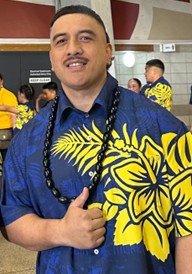 “I value Vagahau Niue for its role in our culture, although I don’t believe speaking the language alone defines belonging. It’s important to learn our language alongside other cultural practices.
“The best way to keep Vagahau Niue alive is to use it! I think people today can be afraid of making mistakes or being ridiculed online, but we need to be willing to try. At my parents’ house, I try to speak only Vagahau Niue, and I use it with my Niuean mates, too, to help strengthen their connection to our identity.
“One of the challenges is that language can sometimes be seen as an optional part of our culture, rather than something essential to preserve.
“Families, communities and education providers like MIT and Unitec all have a role in raising awareness and encouraging younger generations to learn and speak it.
“One expression I love is ‘siohohooooi’ – our Niuean version of ‘cheehoooo!’ It’s unique to us and represents joy.”
Ioane Aleke Fa’avae — Senior Lecturer
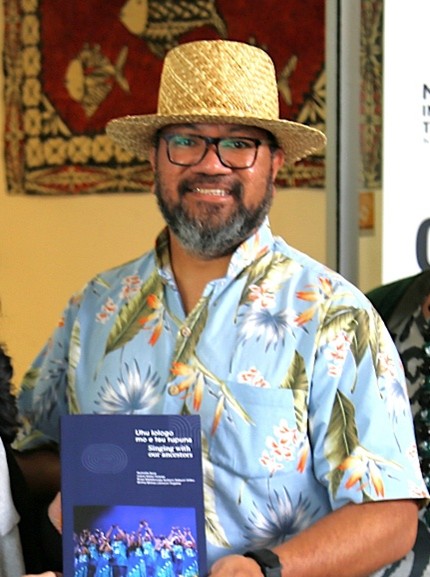 “Vagahau Niue is a knowledge system and a vaka that carries my identity and worldview as a tagata Niue. I live my culture through values of respect, love and care, and through greetings, phrases and proverbs.
“I believe language revitalisation requires our whole community and its institutions to work together.
“For Niueans growing up in Aotearoa, dominant languages and changing family backgrounds can make it harder to maintain Vagahau Niue, so we need meaningful opportunities to learn and use it.
“My guiding proverb, ‘Ko e tau monuina hā hā he haau a tau aloalo lima’ – prosperity is in the palm of your hands – reminds me that we have the power and responsibility to strengthen our language for future generations.”
Click HERE for more info on Vagahau Niue Language Week.