

Associate Professor Lefaoali’i Dion Enari will use a prestigious 2026 Fulbright New Zealand Scholar Award to strengthen international research partnerships and create new opportunities in the United States for MIT and Unitec.
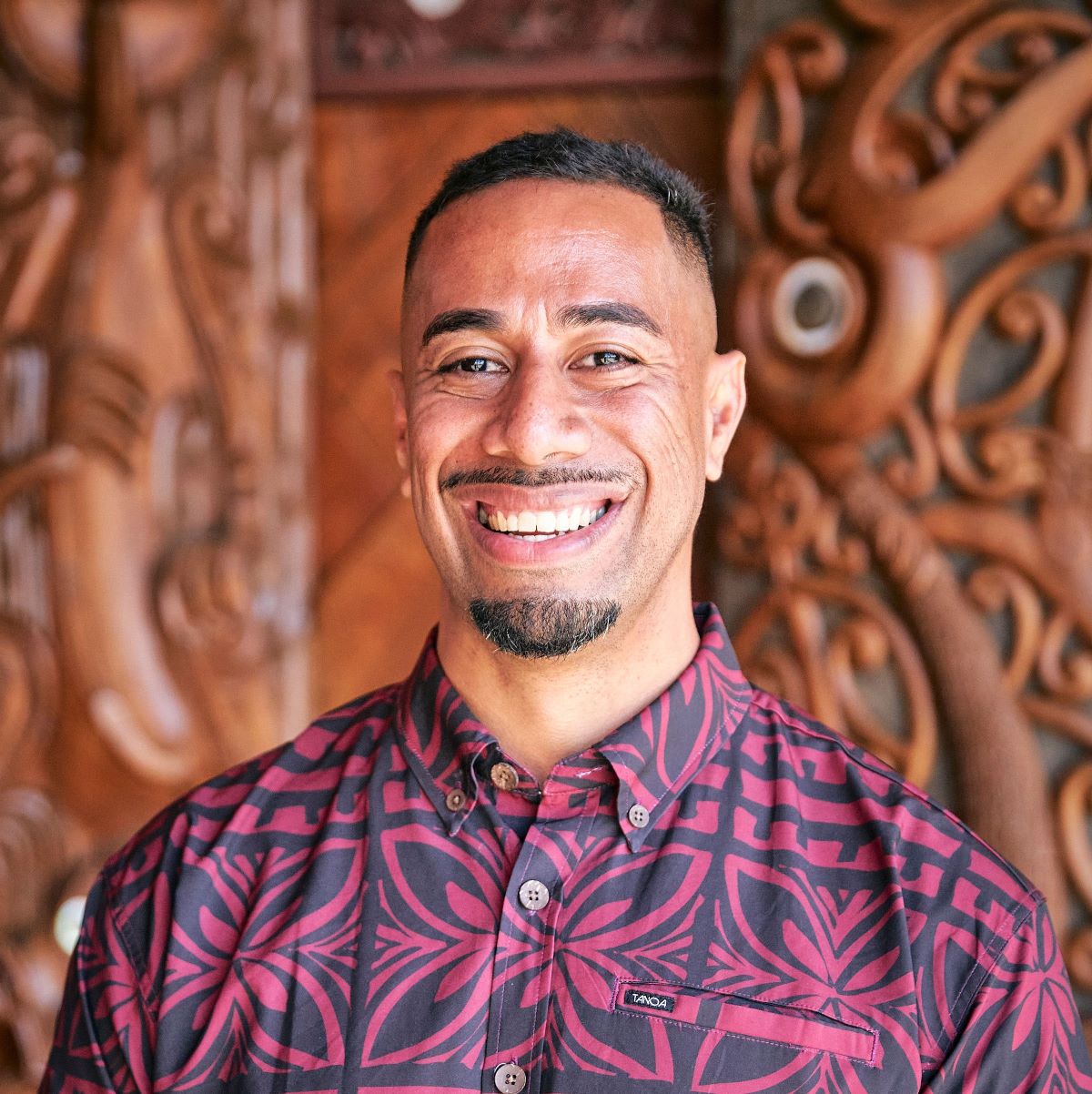 The Samoan academic from Ngā Wai a Te Tūī Māori and Indigenous Research Centre was one of only six recipients nationwide.
Dion will spend six months in Hawai’i researching Indigenous dance as physical activity and educational learning at Brigham Young University–Hawaii.
Departing in July, Assoc. Prof. Enari says the award provides a platform to build relationships with globally recognised academic institutions, including Harvard University, Yale University, Princeton University, Cornell University and Brown University, where he has been asked to present his research.
The Fulbright New Zealand Scholar Award supports mid-to-senior career academics, professionals and artists to undertake research and lecturing opportunities in the United States. Awards are valued at up to US$37,500 and support three to five months of research and knowledge exchange.
Assoc. Prof. Enari says the award will create new opportunities for international collaboration and Indigenous knowledge exchange between Aotearoa New Zealand and the US. He also says it is an opportunity to strengthen outcomes for Māori and Pacific communities.
“This will benefit MIT and Unitec as it will help strengthen our strategic relations with America,” says Lefaoali’I, who hails from the Samoan villages of Lepa, Malaela, Vaiala, Nofoali’i, Vaiusu, Safune and Saleaaumua.
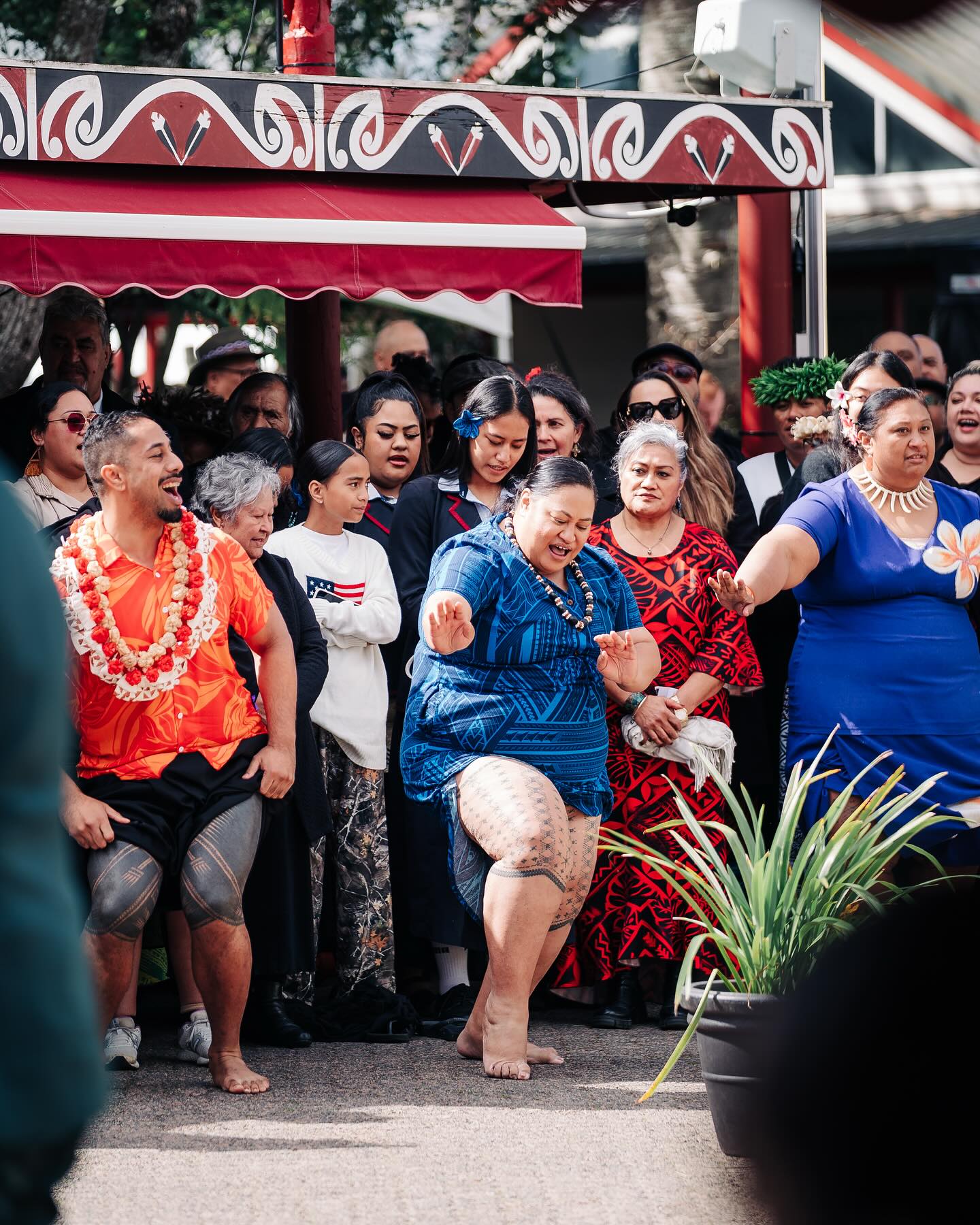 Assoc. Prof. Lefaoali’i Dion Enari and others performing a traditional Samoan siva at the coronation of Te Arikinui Kuini Nga Wai Hono i te Po
“I will be able to do work with Māori and Pacific people in America and use those learnings to better help inform Māori and Pacific initiatives here.
“This award shows that Indigenous knowledges matter and are worthy of one of the most prestigious research awards in the world. I will carry all the mana of our colleagues with me and use this important position to bridge all of us through.”
Through his Fulbright experience, Lefaoali’i hopes to bring new knowledge, partnerships and opportunities back to Aotearoa, strengthening the impact of Indigenous-led research for future generations.
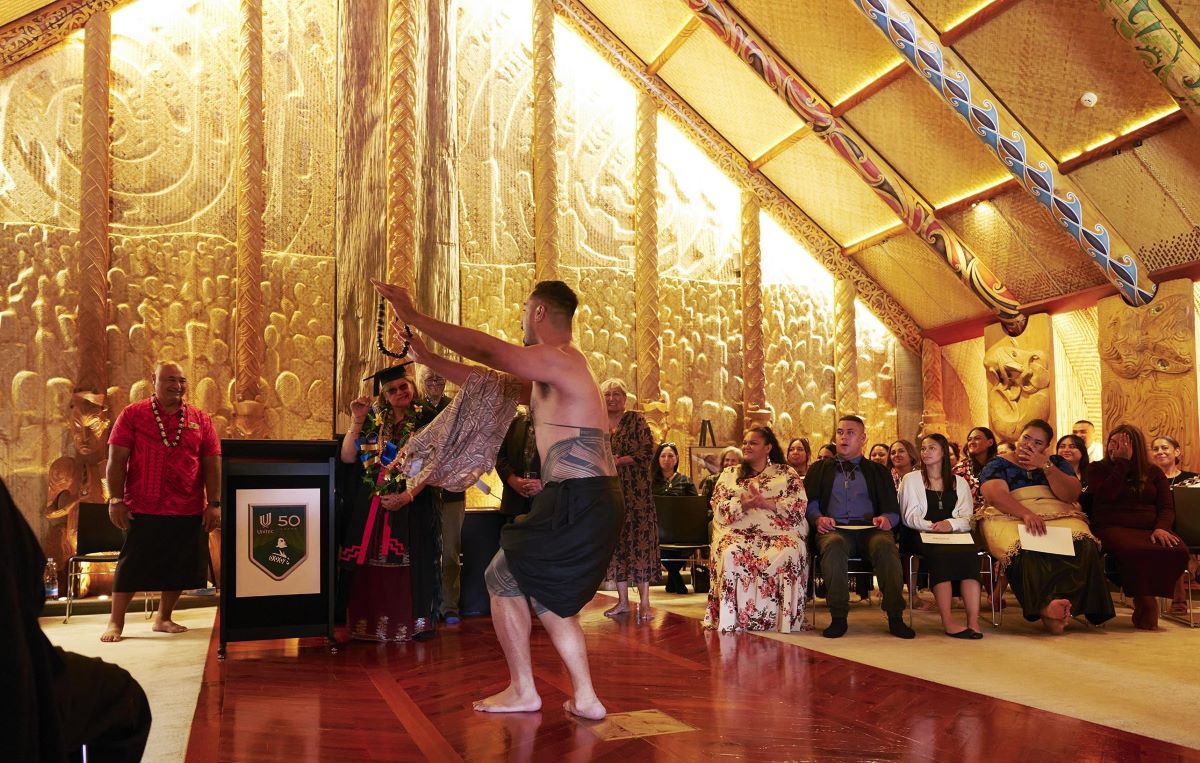 Associate Professor Lefaoali’i Dion Enari performing a Siva Samoa in honour of Senior Lecturer Sailauama Cheryl Talamaivao at the Kahurangi Māori Graduation Celebration 2026